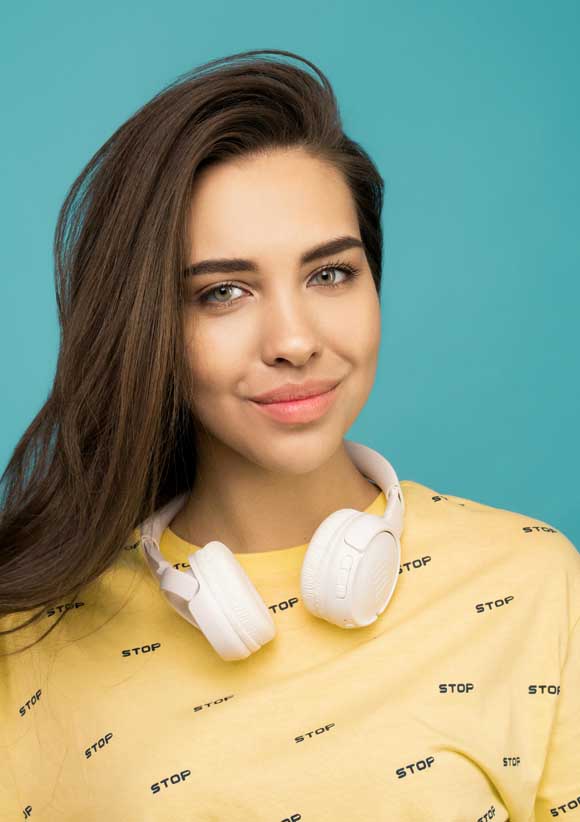
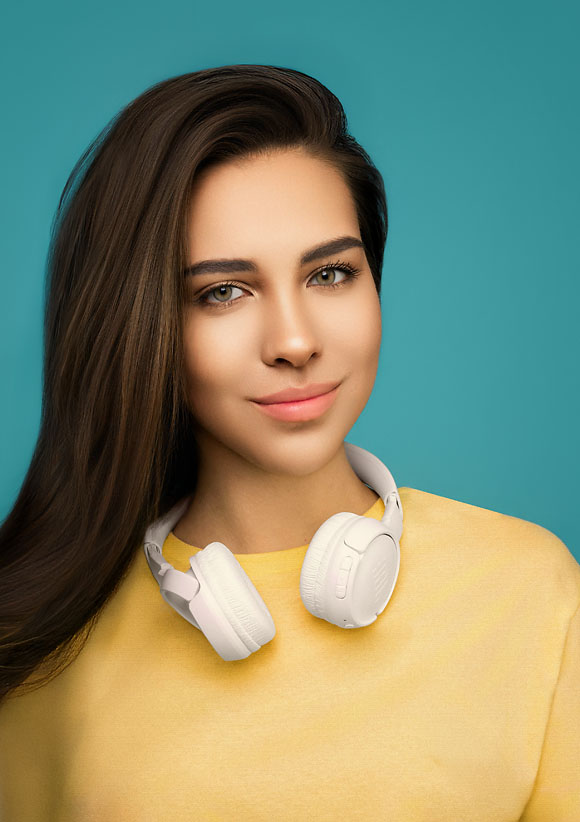
Photo retouching works on the “garbage in, garbage out” principle. If you start with a low-quality or poorly composed image, retouching can only do so much — it might improve a few elements, but it will mostly just enhance the flaws. But if you begin with a reasonably well-produced photo, retouching can take it from good to outstanding.
Retouchers work with the image provided to them — they can’t invent new camera angles, poses, or facial expressions out of thin air. If the original photo has major problems, the best solution might be to reshoot the image.
Some Common Limitations
You can’t realistically change someone’s body position or posture in a photo. While it’s technically possible to swap someone’s face onto a better pose from another image, that’s a more advanced task and doesn’t always produce convincing results.
Facial expressions can’t be dramatically changed. Minor tweaks — such as softening a frown or slightly adjusting a smile — are sometimes possible. But larger changes usually require blending elements from a second similar photo.
Hairstyle changes are also limited. Small adjustments — like removing stray hairs or adding volume — are often doable. Sometimes hair from another photo can be blended in, but again, a matching photo needs to be provided. Creating a whole new hairstyle from scratch isn’t realistic.
Retouching can’t add or replace clothing, unless you’re blending elements from another photo — and even then, results can vary.
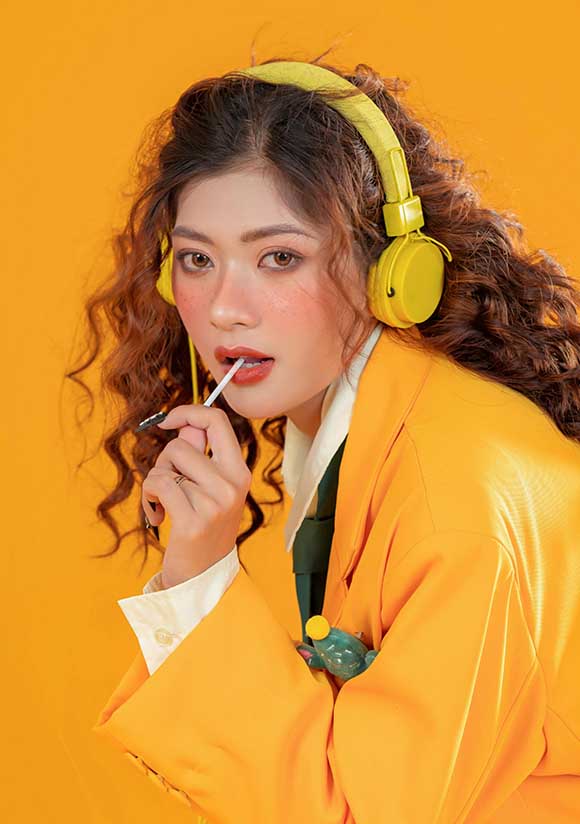
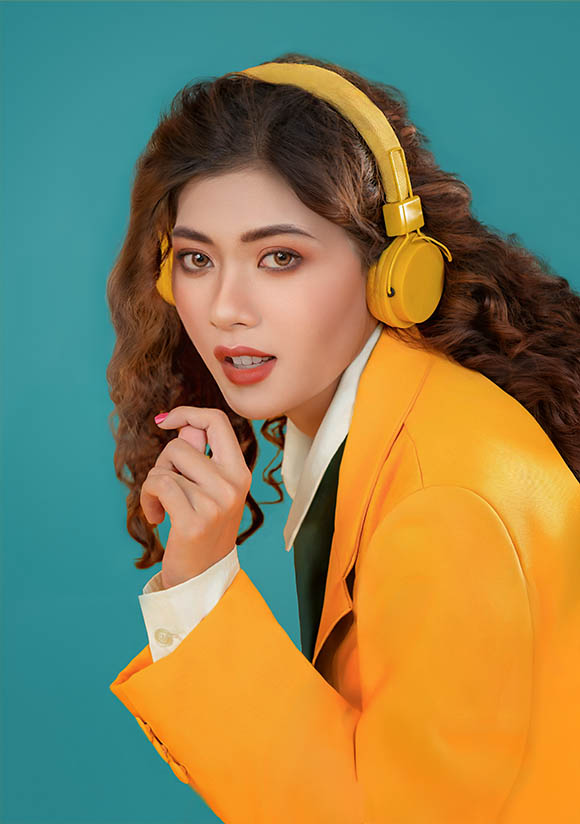
The Role of AI in Retouching
Artificial intelligence (AI) tools are now an important part of the retouching process. They can dramatically speed up certain tasks — such as background removal, skin smoothing, and object cleanup.
However, AI tools are far from perfect. They can be inconsistent, unpredictable, and sometimes produce odd or unusable results. AI has problems with skin texture, fabric texture, patterns, fine lines, straight lines, circles, detailed hair, eyes, and a lot more.
When AI tools work well, they feel like magic. But when they don’t, they can introduce artifacts or mistakes that need to be corrected using traditional retouching methods. For this reason, AI tools are best thought of as helpful assistants, not replacements for skilled human editing.
More information on my photo retouching services.
