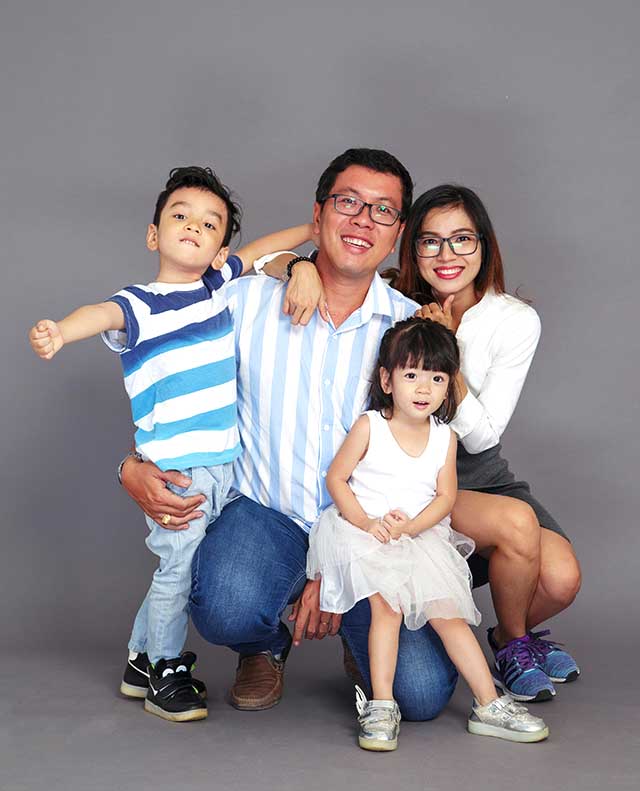
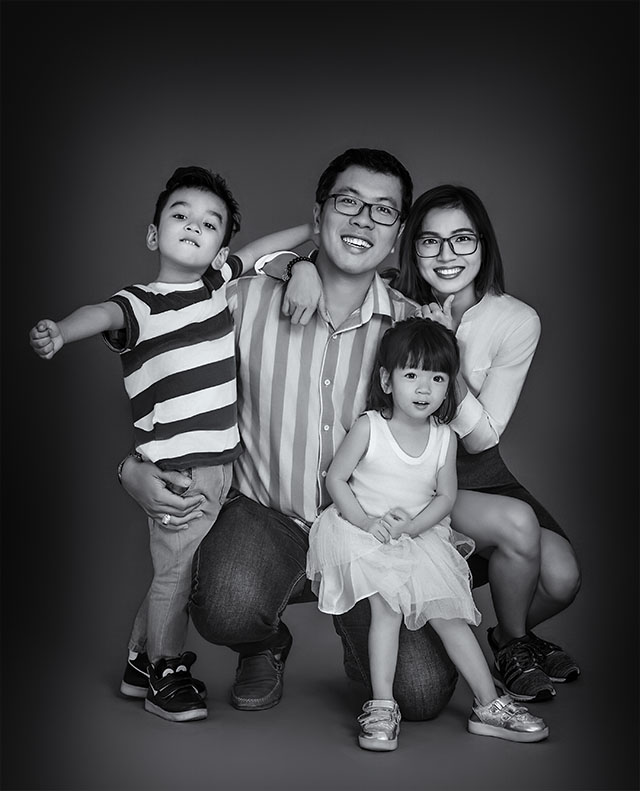
Converting colour portraits to black and white isn’t just a stylistic choice. It can significantly affect how a viewer interprets and emotionally connects with the image. Here are some reasons to convert your portrait to black and white.
Emphasize Emotion and Expression
Black and white strips away the distraction of colour, allowing the facial expression, eyes, and body language to take centre stage. Without colour, subtle emotions become more noticeable.
Enhance Mood and Atmosphere
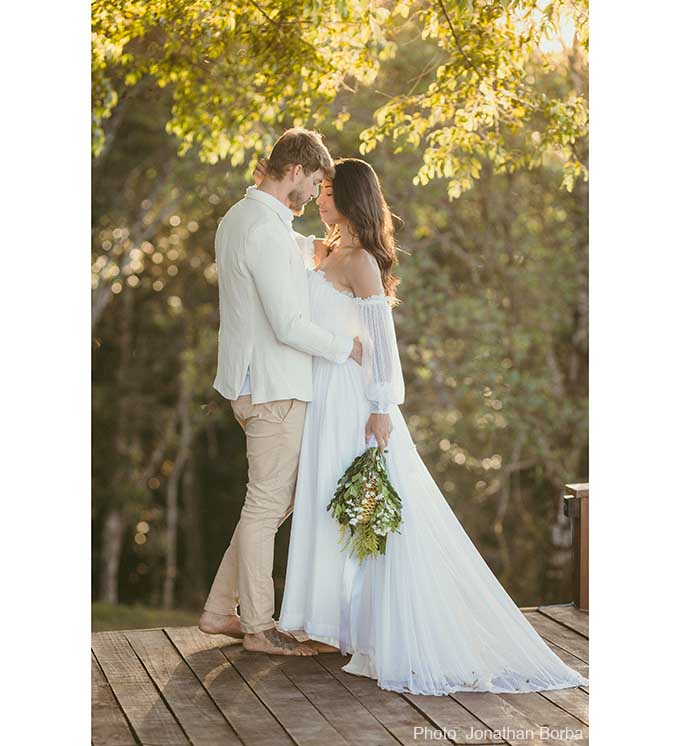
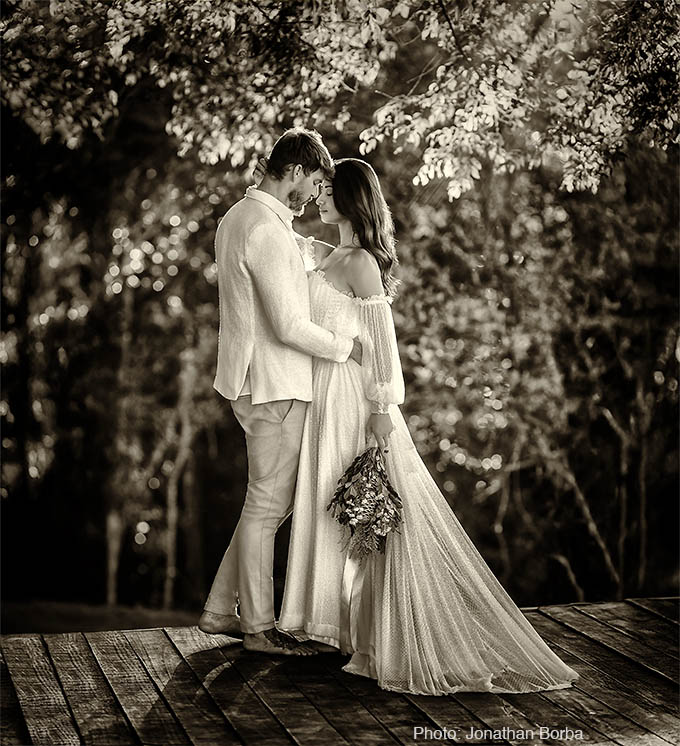
Black and white has the ability to create a moody, dramatic, or nostalgic atmosphere. The tonal range, from deep blacks to bright highlights, can be used creatively to convey a particular feeling. A portrait in black and white can feel almost poetic.
Simplify the Image
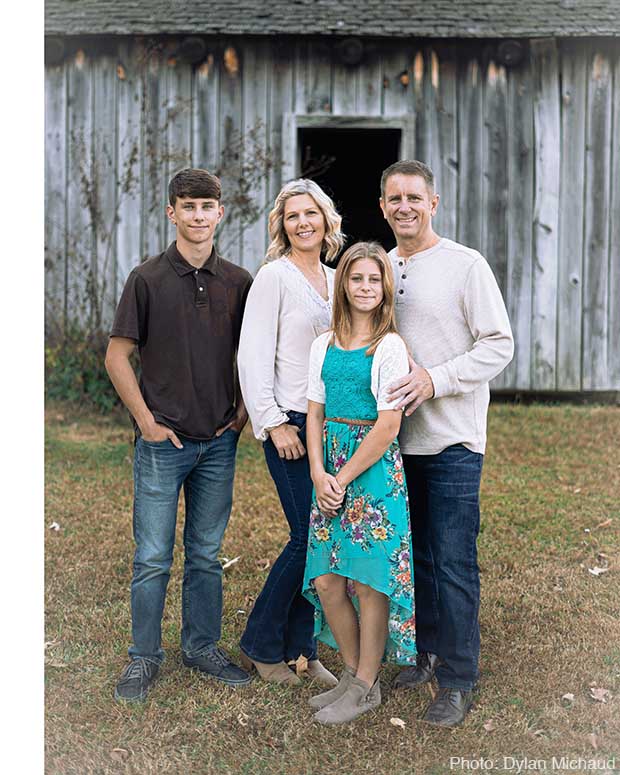
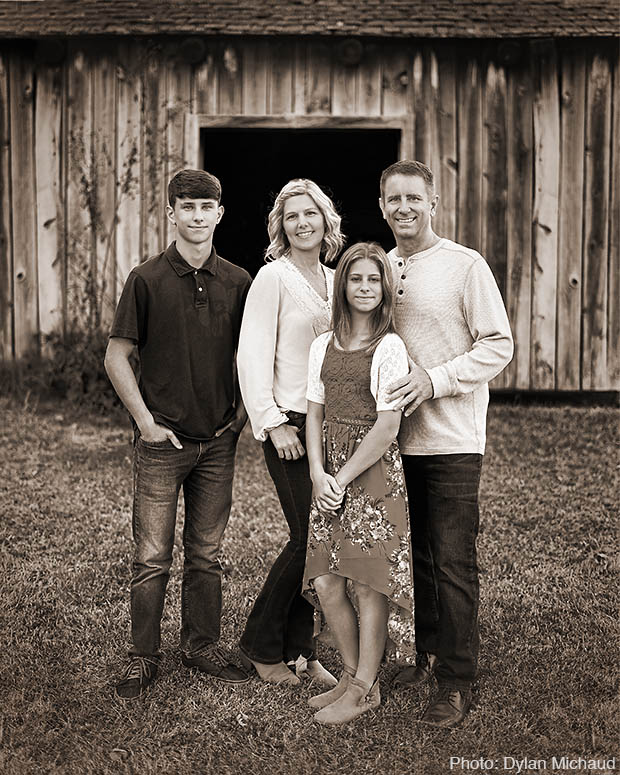
Colour can sometimes clutter an image, it can be a distraction. Black and white simplifies the visual complexity and helps clarify the composition. This means black and white images grab the viewer’s attention faster.
Loud colours, too many colours or non-harmonious colours can distract the viewer. But black and white can distill an image to its true essence.
Timeless and Classic Aesthetic
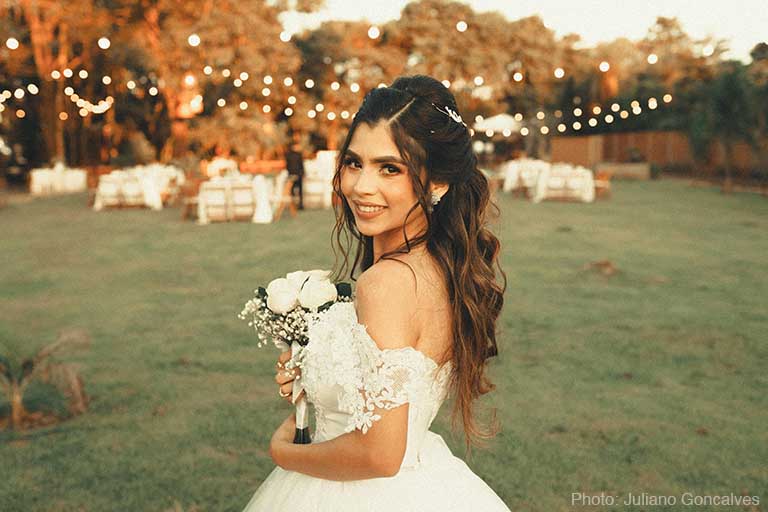
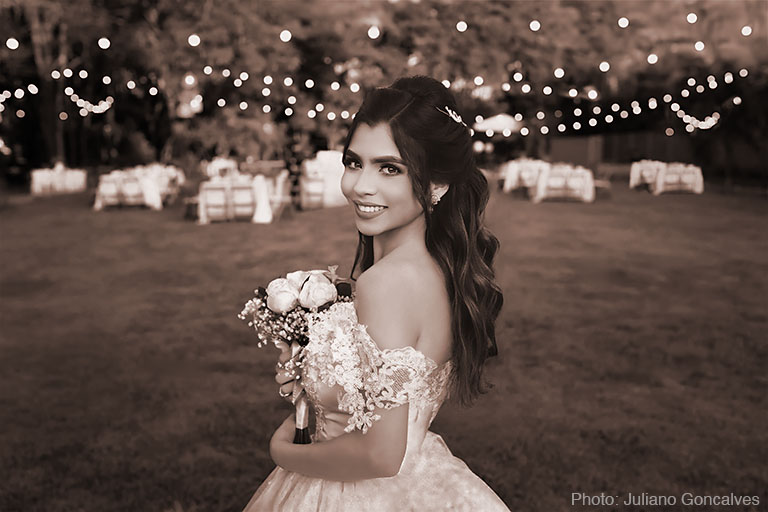
Black and white portraits evoke a sense of timelessness. They’re often associated with classic photography and are less likely to feel dated compared to colour portraits. Without colour, clothing is less noticeable and therefore less likely to date the photo.
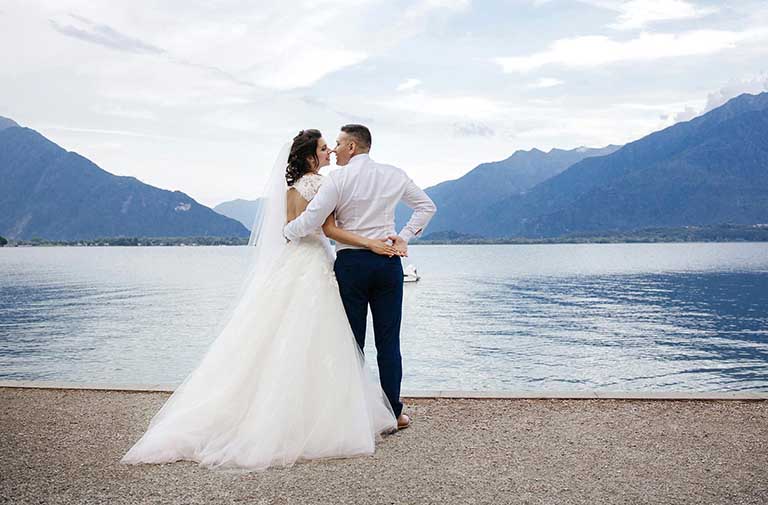
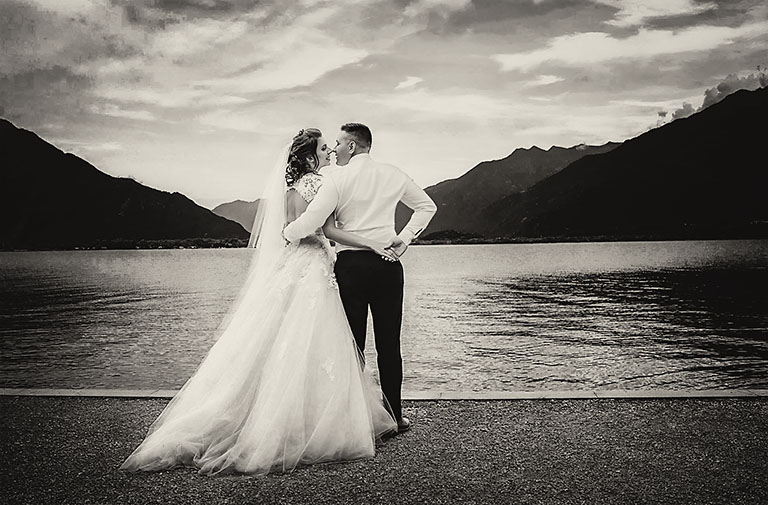
Remedy Bad Colour
If the colour balance is off or mixed lighting causes undesirable colour casts, converting to black and white can salvage the image. If a portrait’s editing wasn’t done properly, a black and white conversion can make the photo more presentable and professional.
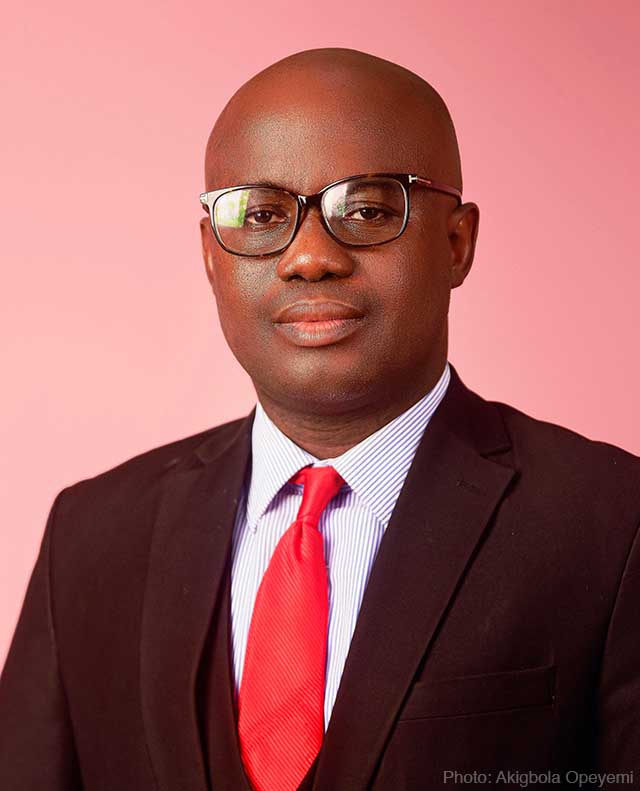
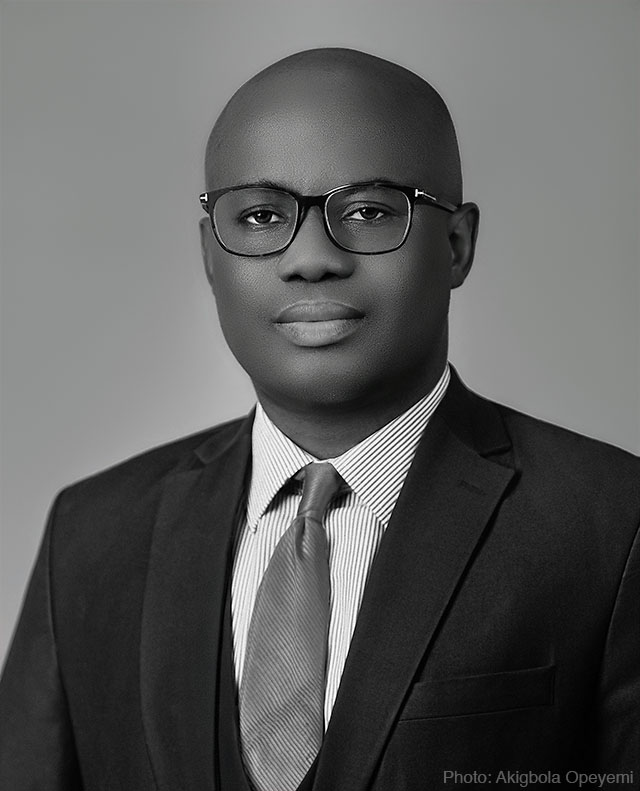
Highlight Light and Shadow
Black and white photography is fundamentally about light, dark and shape. Removing colour brings more attention to contrast, highlights and shadows, which can dramatically shape the subject and help enhance, or even create, emotion.
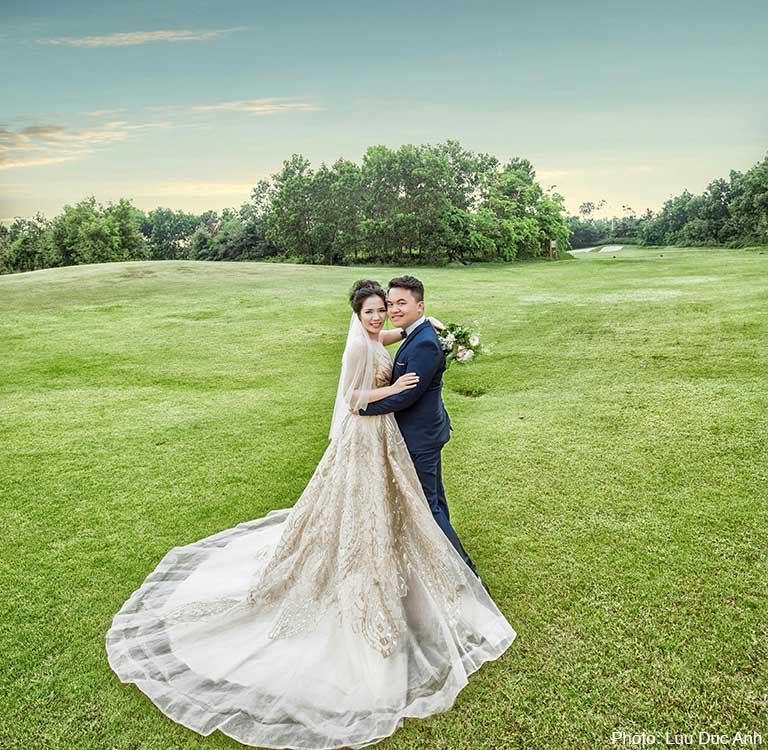
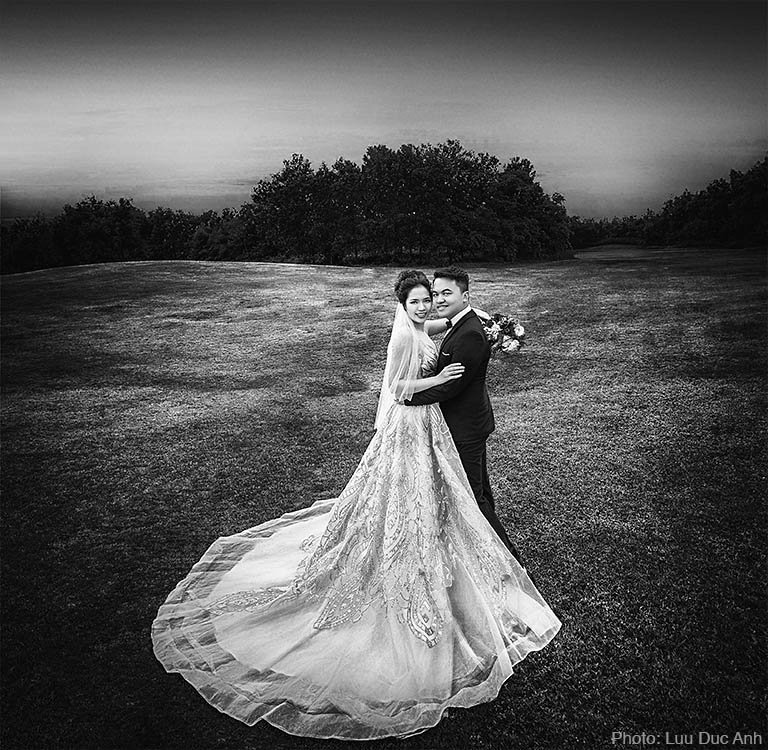
Artistic Intent
Sometimes the choice is about storytelling. Black and white allows for more artistic interpretation, inviting the viewer to focus on shape, emotion, and essence, rather than on realism. It’s not just what the subject looks like, but what the image feels like.
There are many ways to convert a portrait to a monotone and each method can produce a different look and emotion:
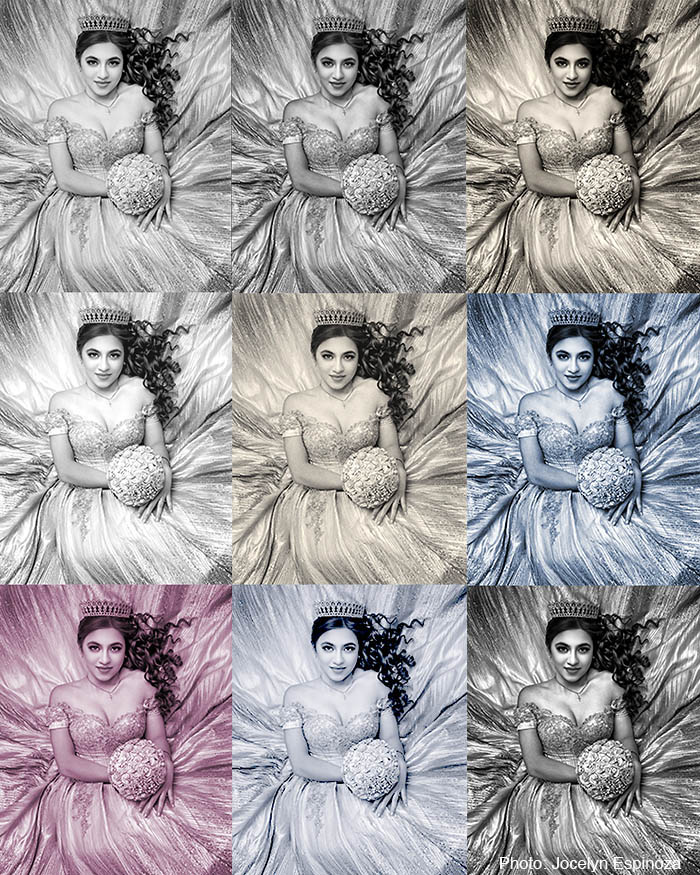
Black and white portraits can be more emotional, more timeless, and more focused on expression. Black and white, or any other monotone, removes distractions, adds drama, and often results in images that feel more artistic or emotional.
More information on my photo retouching services.
