We all know that retouched portraits are everywhere: most advertising, fashion magazines, entertainment magazines, billboards, Instagram, LinkedIn profiles, and many business headshots. Sometimes the retouching is very subtle and sometimes not. We may criticize the retouching of portraits, but research shows that we’re still drawn to them. Why?
The answer lies in the neuroscience of beauty. The combination of psychology, biology, and visual perception reveals just how deeply our brains are wired to respond to certain aesthetic cues.
Symmetry and Balance

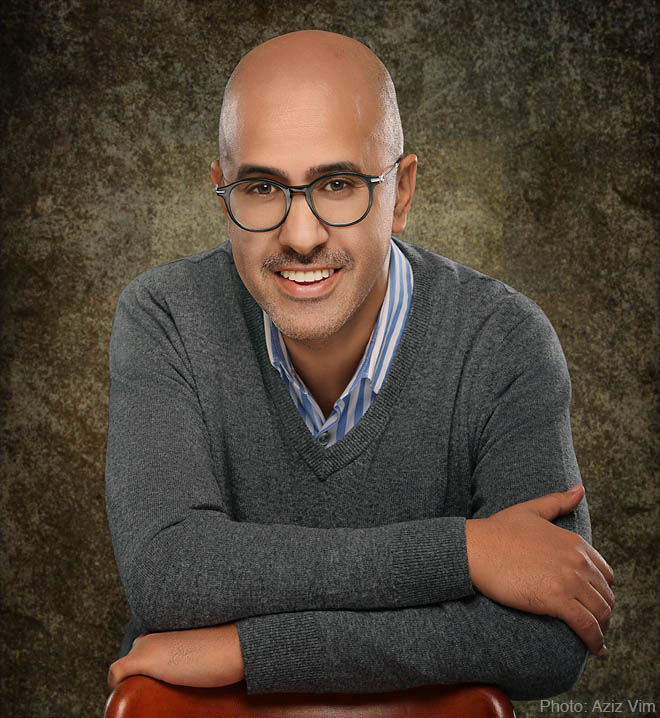
Even with all this retouching, the person’s appearance is not perfect, and that’s intentional.
Facial symmetry has long been associated with beauty across all cultures. Even infants prefer symmetrical faces. Retouching often subtly correct asymmetry, for example by raising an eye or evening out lips, without distorting the person’s appearance.
Symmetry is processed more efficiently in the brain. The fusiform face area, responsible for face recognition, shows increased activity when viewing symmetrical faces.
Retouching aligns with the brain’s preference for “visual fluency.” We find what’s easier to mentally process more attractive.
Smooth Skin = Youth = Health


You may not immediately notice that the jaw and temples were reshaped, and the eyes and one eyebrow were slightly shifted, all for increased symmetry. The corners of the mouth were turned up a tiny bit for a hint of a smile.
Retouchers usually prioritize skin texture such as removing blemishes, and evening out colour and contrast. Why? Because smooth skin is an ancient evolutionary signal of youth and health.
The orbitofrontal cortex, involved in reward processing, lights up when we see youthful or healthy-looking skin.
Our brain subconsciously associates unblemished skin with health, fertility, and vitality, even if we consciously know the person is older or it’s actually retouching.
Facial Contrast = Attention
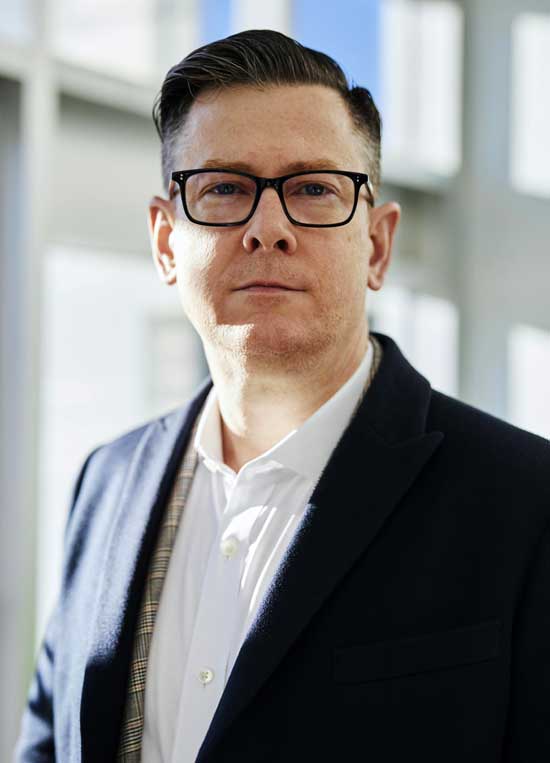
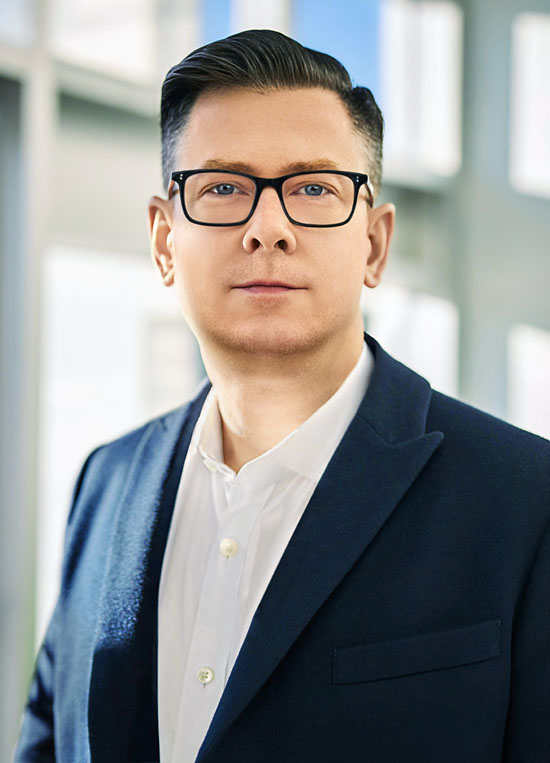
A lot of retouching was done in this photo. The obvious edits include making the eyes really stand out, and the eyebrows, eyes and lips were made more noticeable. These facial features are now very readable.
The less noticeable edits include changes to the ears, jaw, chin, forehead, hairline, hair, and mouth. All of this was done to increase facial symmetry.
Portrait retouching boosts contrast around the eyebrows, eyes, and mouth. All of our facial expressions come from these three areas. This retouching technique directs the viewer’s gaze and emphasizes the facial features that the brain prioritizes when scanning faces.
The amygdala (involved in emotion) and the superior temporal sulcus (which tracks eye and mouth movements) are more responsive to high-contrast faces.
Subtle retouching enhancements mimic the natural signs of alertness or attraction (e.g. pupil dilation, flushed lips) which heightens engagement. More engagement means more viewer attention.
Too Perfect?
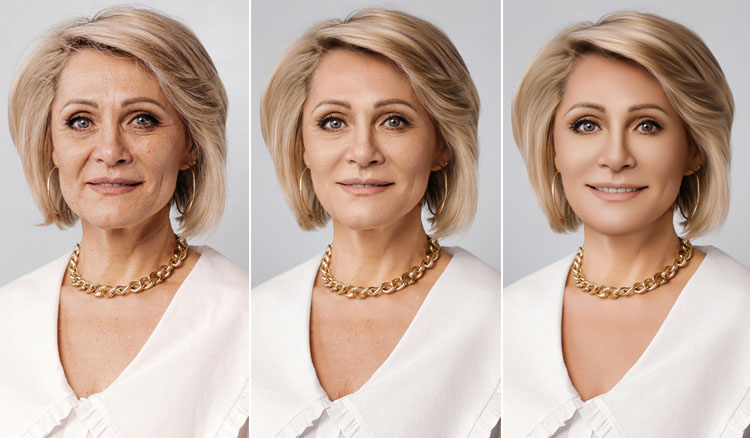
There is a limit to retouching and too far leads to eeriness. When a face looks almost human but not quite, the brain reacts with discomfort. This is tied to hyperactivity in the insula and amygdala, triggering a fear or disgust response. The best retouching stays just under that threshold.
Cognitive Dissonance: Loving What We Loathe
When people say they hate retouched images, studies show they still rate those same images as more beautiful. This contradiction is due to cognitive dissonance where we struggle to reconcile our cultural or social values with our biological preferences.
More information on my photo retouching services.
