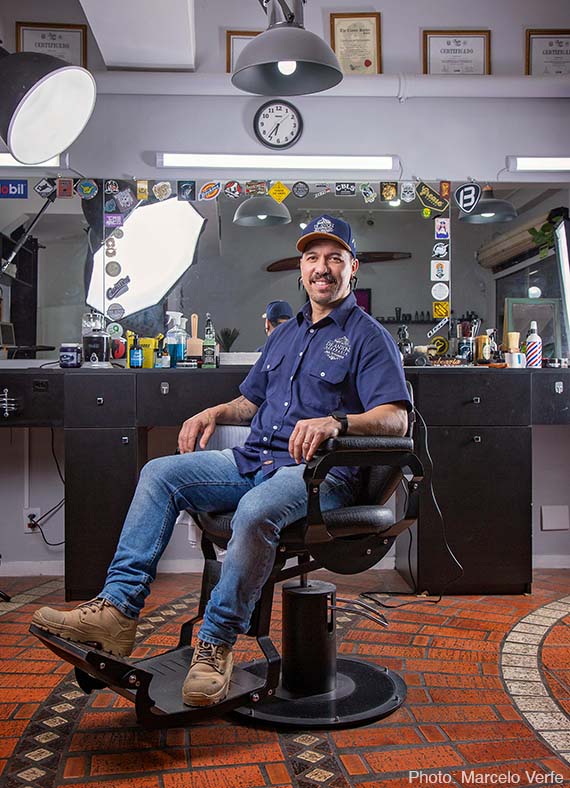
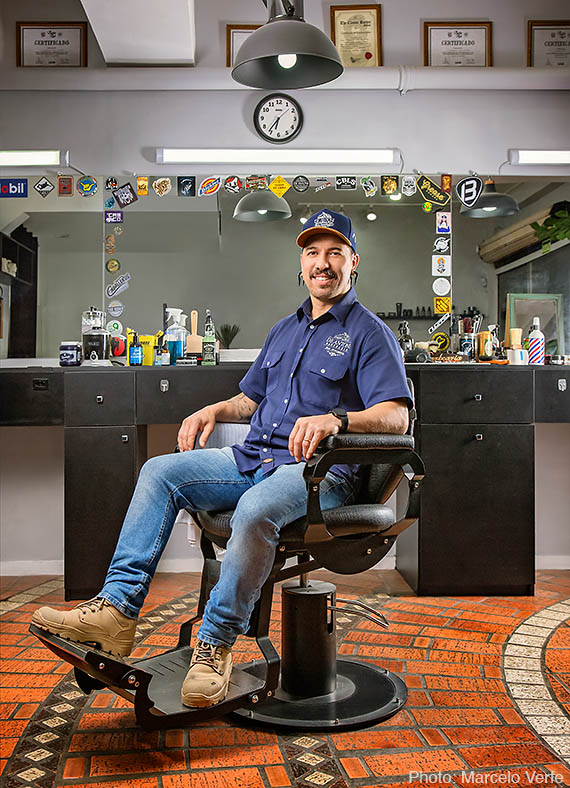
After colour, contrast, and brightness are corrected, skin tone evened, image straightened, and all background distractions removed, the photo becomes cleaner and more professional looking. There are no longer any distractions taking away from the person’s face.
When a customer looks at a photo, they see a person, a building, or a moment.
When a professional retoucher looks at the same photo, they see a hundred small details that influence how that image *feels* and whether it quietly builds trust or subtly erodes it.
Great retouching isn’t necessarily about dramatic change. It’s about small refinements.
Here are some of the things professional retouchers notice instantly.
Light That Feels Wrong Even If It Looks Okay
Subtle lighting issues affect mood and believability such as:
* Uneven highlights on the face
* Shadow colour shifts
* Inconsistent brightness across a series of photos
* Flat or overly contrasty areas
Professional correction makes lighting feel natural.
Skin Tone Is Never Just One Colour
Human skin contains more colour variation than people realize. Retouching can correct:
* Red or blotchy skin colour
* Colour casts that often include yellow, blue, and green
* Uneven transitions
* Makeup mismatches
* Neck and face differences
Colour correction is done not to change people, but to restore realism.
The Background Tells a Story (Whether You Want It To or Not)
Customers focus on the subject. Retouchers evaluate the background for:
* Distracting elements
* Crooked verticals
* Color contamination
* Uneven focus
* Messy negative space
A background can instantly raise or lower the perceived professionalism of the subject.


Texture Matters More Than Smoothness
Over-smoothing is the fastest way to ruin a face. Professional retouchers preserve:
* Skin texture
* Natural creases
* Pores
* Expression detail
Customers often ask for smooth skin. Professionals deliver believable skin.
Emotional Impact Can Be Adjusted Without Anyone Noticing
This is one of the least understood skills. Retouchers can shape:
* Mood
* Visual energy
* Depth perception
* Emotional tone
Good retouching doesn’t shout. It whispers.
A customer may never say, “The lighting transition is perfect.” But they will feel that the image works. And that feeling is the result of retouching skill.
Retouching Isn’t Technical, It’s Observational
The most powerful tool a retoucher uses isn’t software. It’s judgment. Knowing what to change and what to preserve. Knowing how to change and how to improve perception. This judgment comes from experience not software presets.
The Best Retouching Is Invisible
If you view a Before-After comparison of a retouched photo, of course you will notice the retouching in the final image. But no one, except the customer, will ever see a comparison; they see only the finished retouched image.
Retouching quietly enhances trust, strengthens image value, and builds credibility. This means that retouching reduces friction between a potential customer and a business.
