Retouching Business Portraits With AI

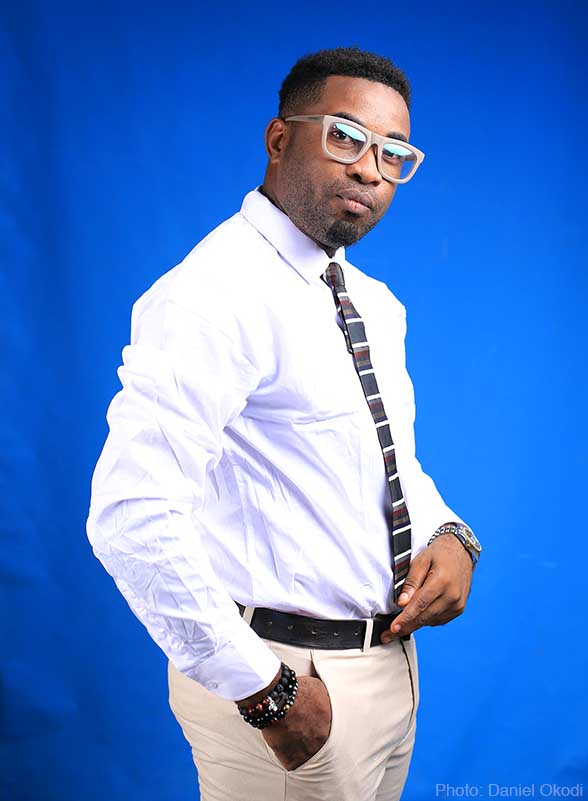
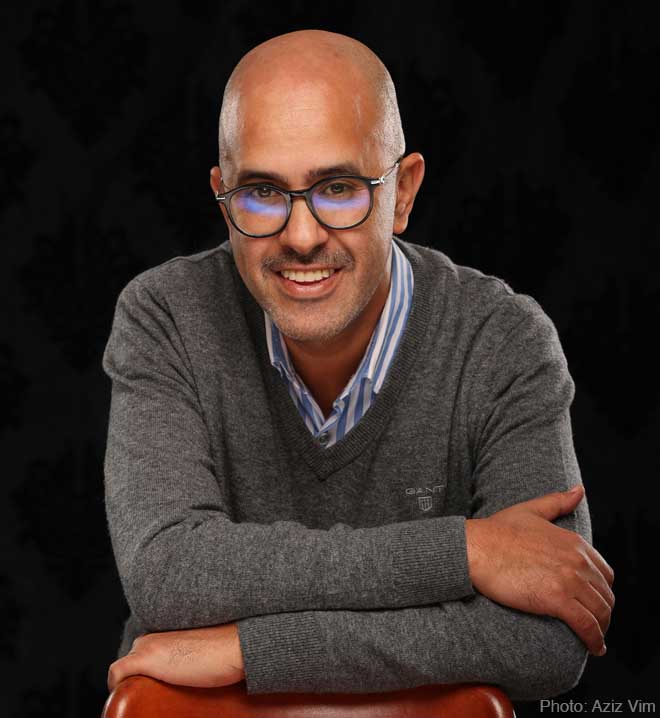
The original portrait (above) is a mess. The white shirt is very overexposed, wrinkled, and distracting. Big reflections in the eyeglasses obscure the subject’s eyes, and one eye has an odd, extra catchlight. The background is too bright, poorly lit, and wrinkled. On top of all that, the pose looks awkward.
Continue reading →

Retouching House Interiors

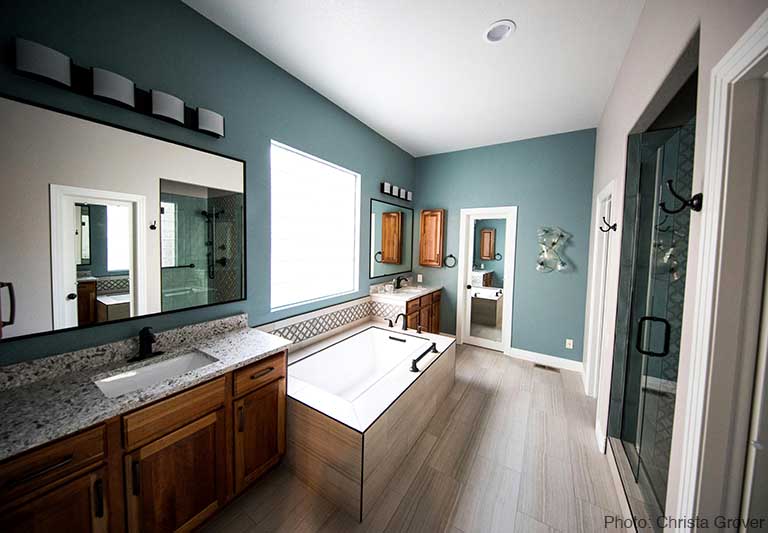
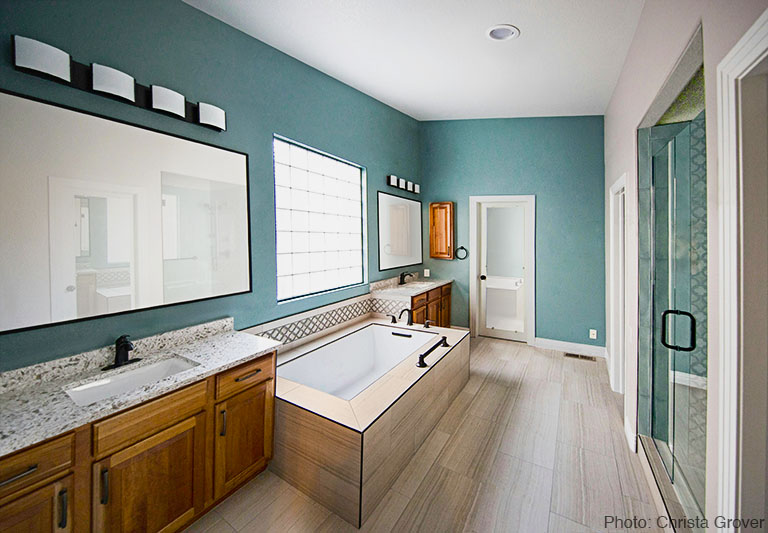
In small, confined spaces, a wide-angle lens is usually the only option. This always produces distortion and it always requires retouching. Even then, retouching can’t fix everything.

A wide-angle lens in a small space always means distortion. This distortion can happen in many ways. Vertical lines no longer appear vertical. Horizontal lines slope to one side. Objects in the background appear smaller, compressed, and farther away than they really are. Objects in the foreground appear bigger and longer.
Continue reading →

Retouching for Buildings and Architecture

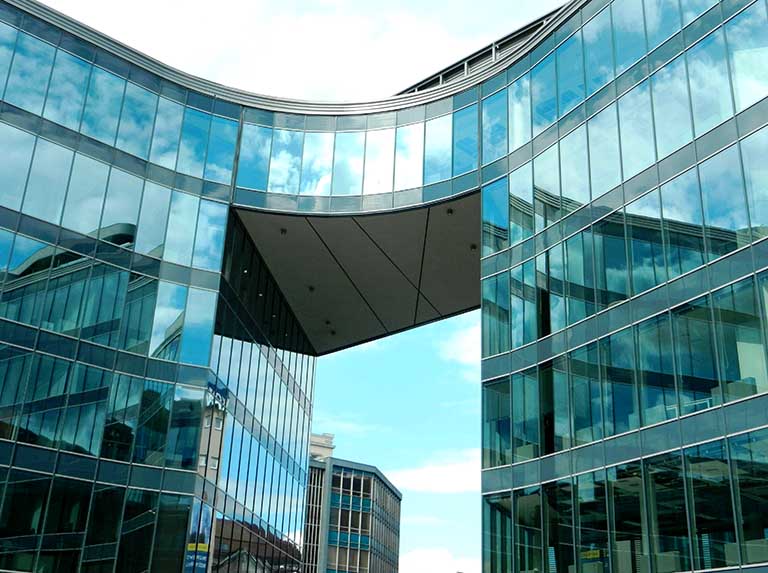
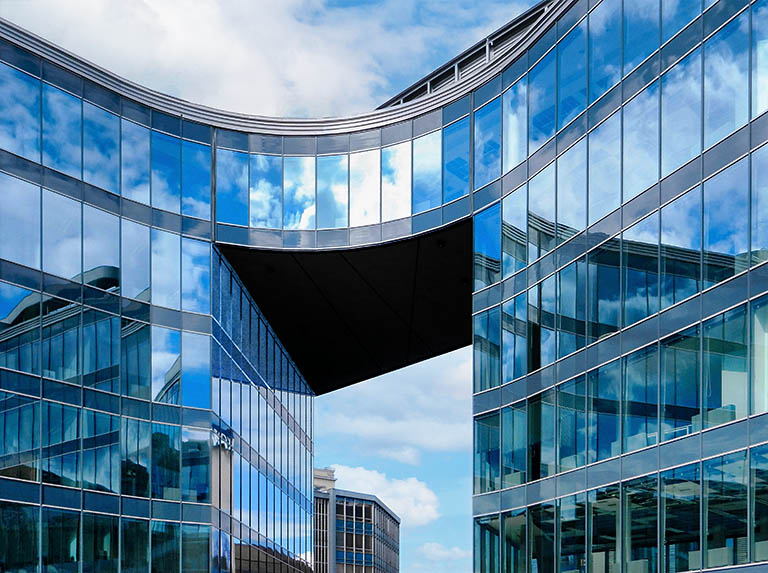
Photos of tall buildings almost always need vertical lines corrected. Otherwise, the building will look like it’s leaning backwards.

Exterior photos often need corrections for exposure, colour, and contrast. Sky replacement is another common retouching request.

When photographing buildings or architectural structures, vertical lines must remain vertical. Tilted verticals make a building appear as if it’s leaning or falling backward and this creates a distracting and unprofessional look. No architect, builder, or real estate agent wants to showcase a crooked property.
Continue reading →

Why We Prefer Retouched Images

We all know that retouched portraits are everywhere: most advertising, fashion magazines, entertainment magazines, billboards, Instagram, LinkedIn profiles, and many business headshots. Sometimes the retouching is very subtle and sometimes not. We may criticize the retouching of portraits, but research shows that we’re still drawn to them. Why?

The answer lies in the neuroscience of beauty. The combination of psychology, biology, and visual perception reveals just how deeply our brains are wired to respond to certain aesthetic cues.

Symmetry and Balance

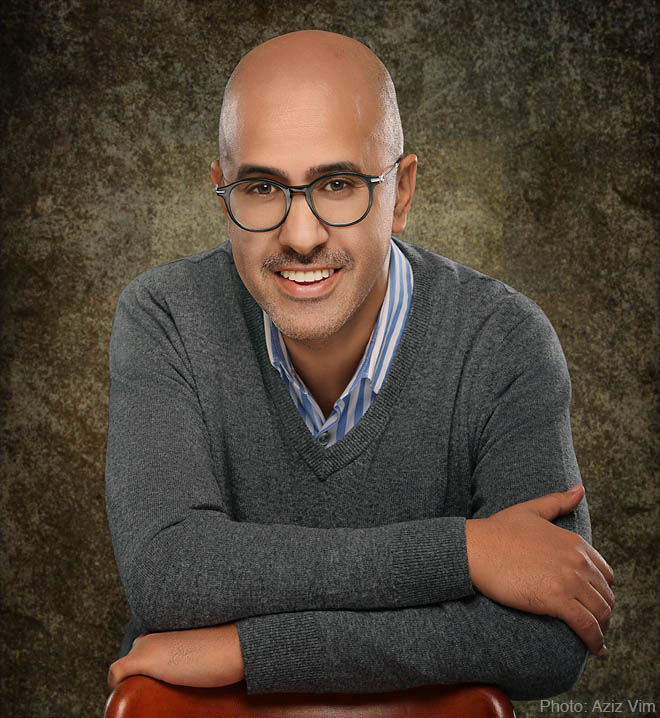
You can notice the obvious edits to this portrait: smoothing the sweater, removing eyeglass reflections, adjusting skin colour, and changing the background. Also, the person’s jaw and one ear were subtly reshaped to add more symmetry, the glasses were straightened because they were too close to one eye and also to add more symmetry, and one eye and eyebrow were shifted up to add balance with the other eye and eyebrow.

Even with all this retouching, the person’s appearance is not perfect, and that’s intentional.

Continue reading →

Retouching: Green Screen Removal

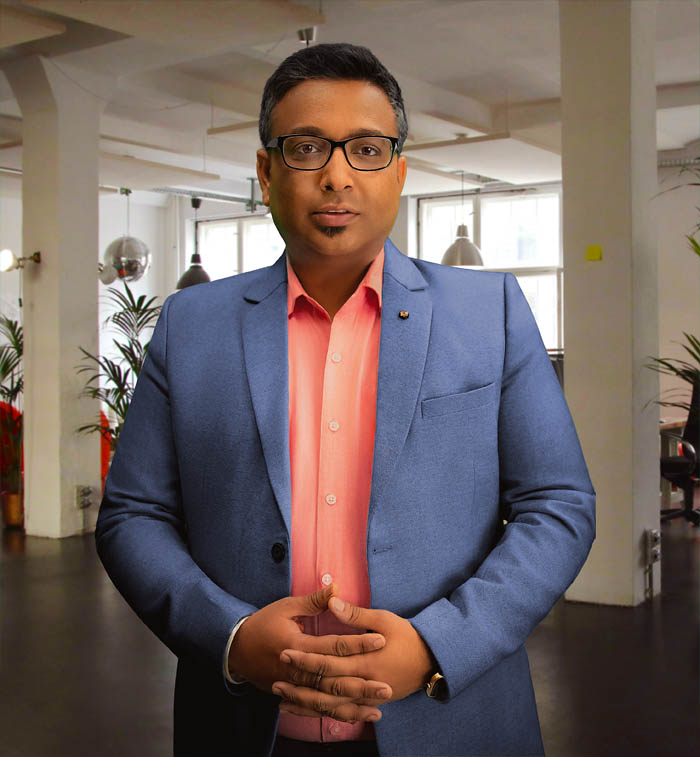
The new background is a three-dimensional scene with its own lighting and perspective. It can be difficult or even impossible to match the subject to this type of background.

“Chroma keying” is a common technique used in photography and filmmaking for replacing a background with another image. “Chroma” means colour, and “keying” is the process of removing that colour—usually green or blue.
Continue reading →

Retouching: When One Photo Isn’t Enough

Retouching the beer bottle (above) required a second photo from which the label was copied. This technique—copying elements from another photo—is common in retouching. Ideally, all necessary details are copied from the original image. But when elements are missing or unclear, using one or more secondary photos becomes essential.
Continue reading →

css.php