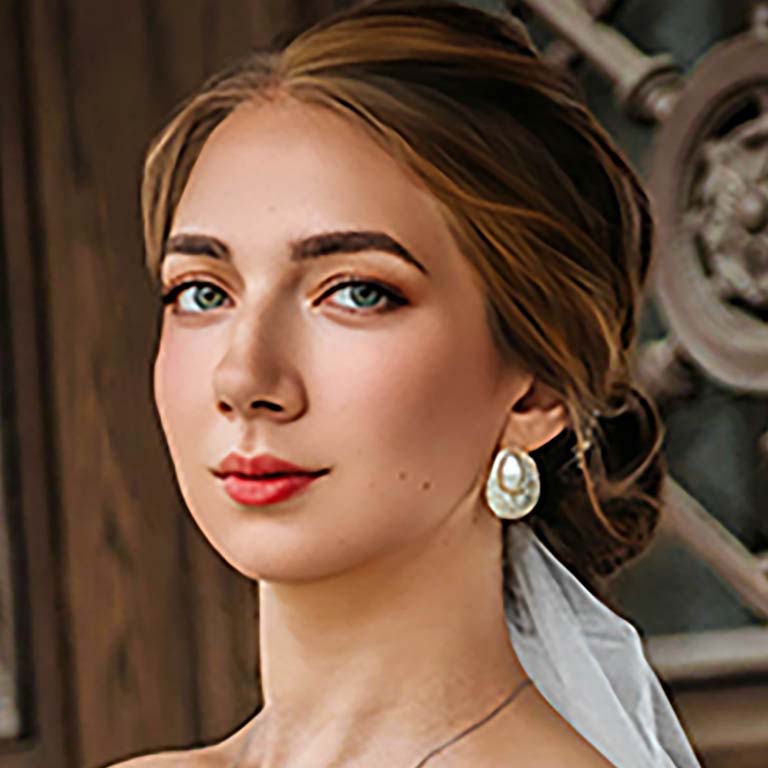
Always keep the original, full-size copy of your important photos.
If you need to resize an image, duplicate it first and resize the copy. Never overwrite or discard the original. That original file is your safety net and if you lose it, you usually lose it for good.
When The Original Is Gone
Several people recently asked for retouching, including: wedding photos, a family portrait, and business headshots. Unfortunately all the images were too small to retouch.
The wedding group photos needed all the faces retouched. Each photo was about the size of a playing card and each face was the size of your fingertip. There wasn’t enough detail for retouching. The customer no longer had the original, full-size pictures.
The family portrait of two people was the size of a business card. Too small to retouch. The customer hoped to enlarge to 11″ x 14″. But without the original file, they could realistically print it up to 4″ × 6″.
The business headshots were small images taken from a company’s website. Web images are intentionally small and compressed so they load quickly. These pictures were too small for retouching and the company didn’t have the originals.
Why Resolution Matters
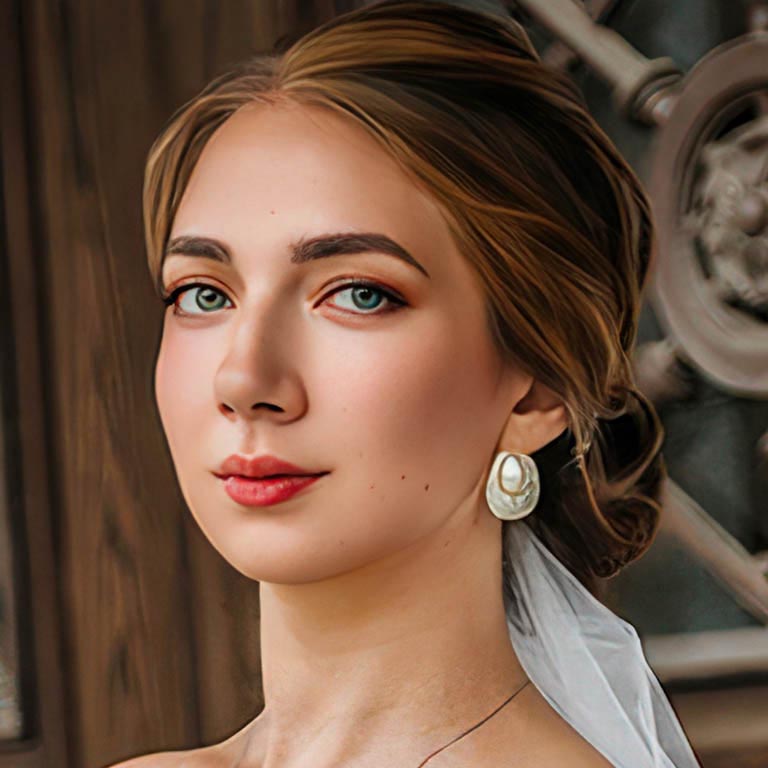
Retouchers work with the data in an image file. If that data doesn’t exist, we can’t realistically invent it. Yes, AI tools exist, but they can’t reliably reconstruct faces, replicate fine detail, or produce high-quality large prints.
Small files can usually receive basic, overall adjustments such as lightening, darkening, and correcting colour. But detailed retouching requires detail in the image file.
Without sufficient resolution, it’s not possible to properly retouch eyes, skin texture, blemishes, stray hairs, or wrinkled clothing. Digital data is permanently lost when an image is downsized or heavily compressed.
A Simple Rule
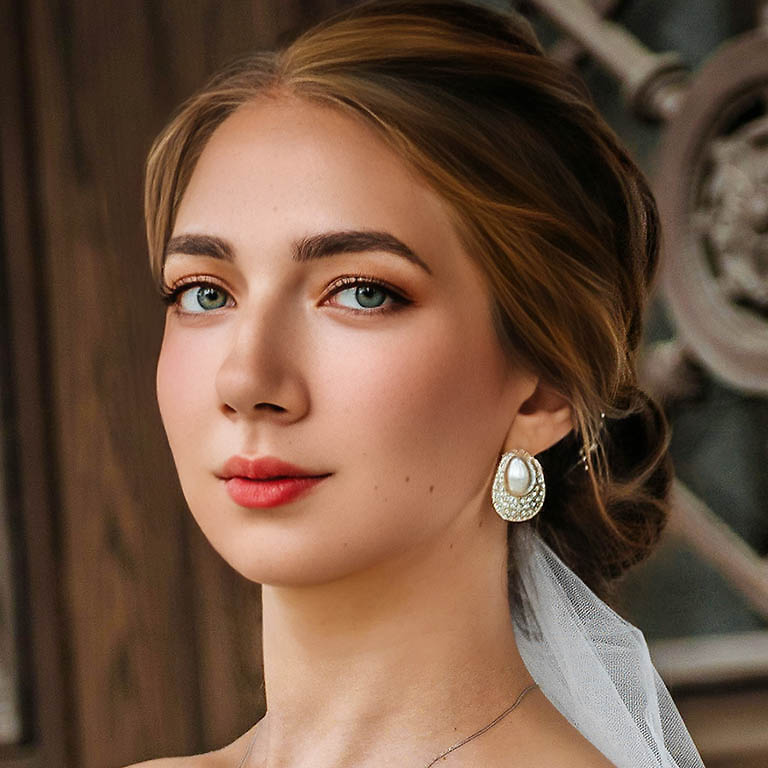
For important photos, keep the original, full-size image.
A photo might not seem important today, but it can become priceless in the future. Back up your original files in multiple places. You may not need them now, but if you ever want to retouch, enlarge, or professionally print a photo, you’ll be very glad you saved them.
