When you look at a portrait, your attention should naturally go to the person’s face. But an awkwardly positioned arm or hand can quickly steal the spotlight.
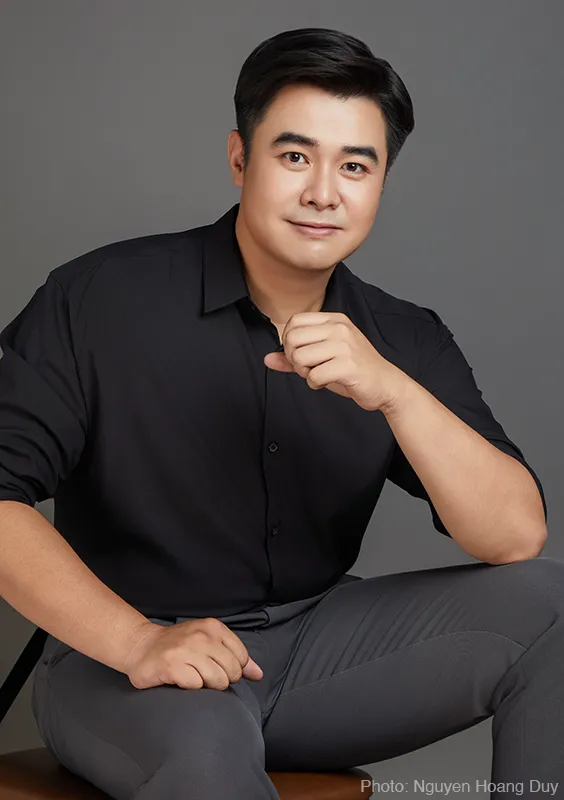
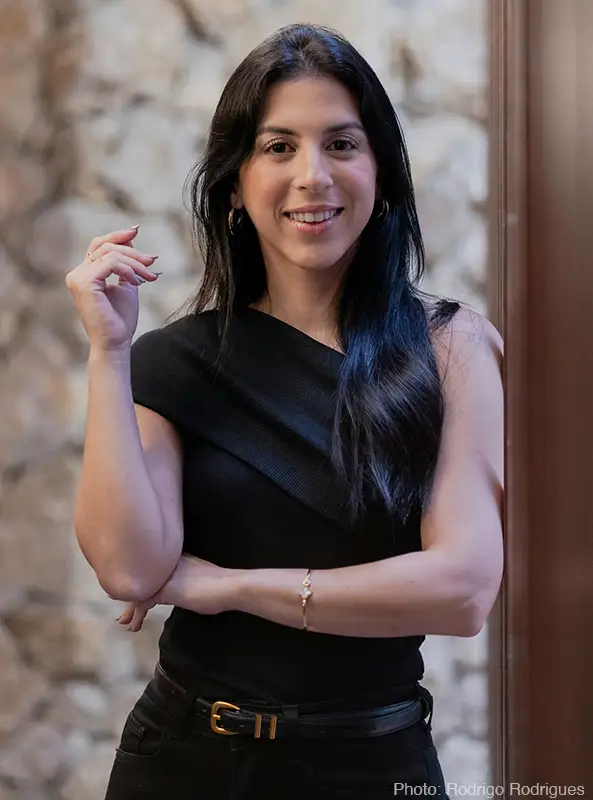
In most portraits, the arms rest naturally at the sides, cross comfortably in front of the body, or rest on a nearby surface. What you generally want to avoid is an arm that hangs away from the body or juts out at an unusual angle.
A good portrait pose has a sense of visual flow. The hands, arms, and rest of the body should work together rather than compete for attention.
An arm sticking away from the body creates a distracting shape. It draws attention to itself and may subconsciously create a feeling of tension. This can be especially noticeable in business portraits.
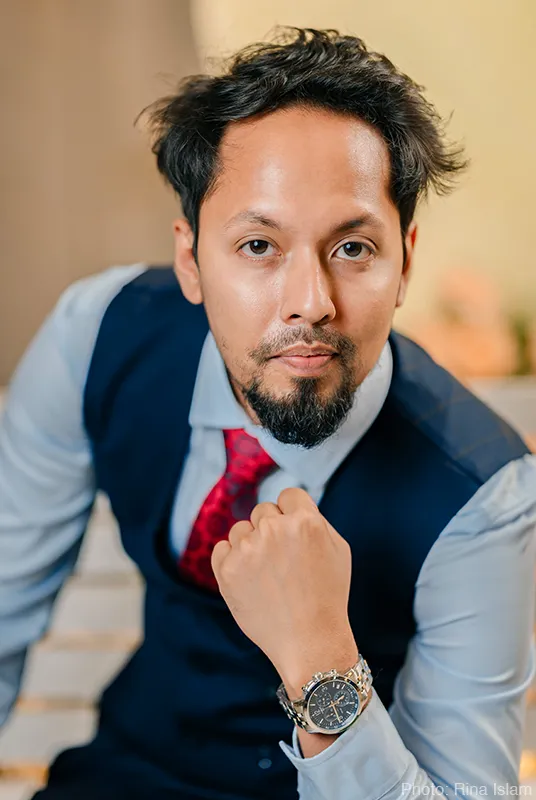
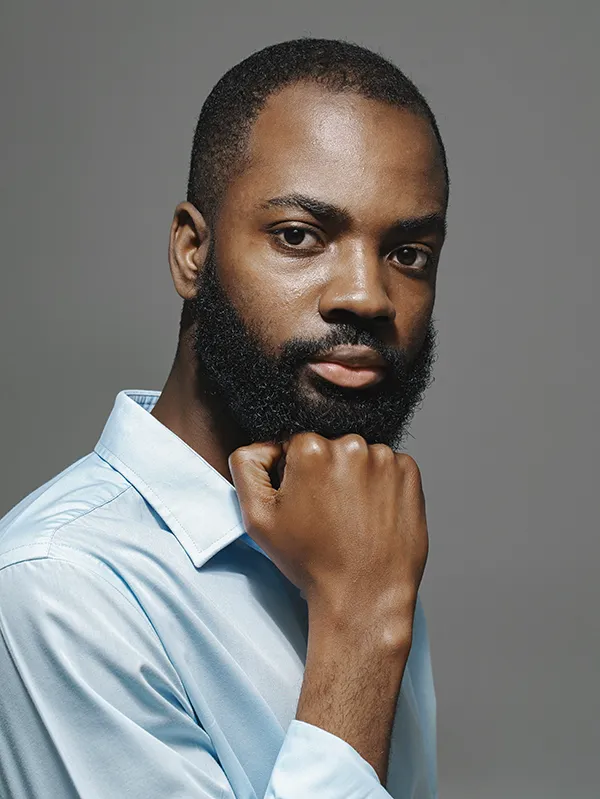
This doesn’t mean you need to press your arms tightly against your body. Doing that can make you look stiff and uncomfortable. The goal is simply to find a position that looks natural and suits the photograph.
Can Retouching Fix an Awkward Pose?
This is where professional photo retouching can often help. But there are limits to what portrait retouching can realistically do.
A professional portrait retoucher can fix all sorts of distractions, from stray hairs and clothing wrinkles to unwanted background objects. But moving an arm into a new position is a difficult job. You have to change the anatomy, clothing, lighting, shadows, and perspective of the arm.
AI-based photo retouching has made some of these changes easier. Generative AI can sometimes move a wayward arm or other body part. It can be remarkably useful when you need to rescue an otherwise good photograph.
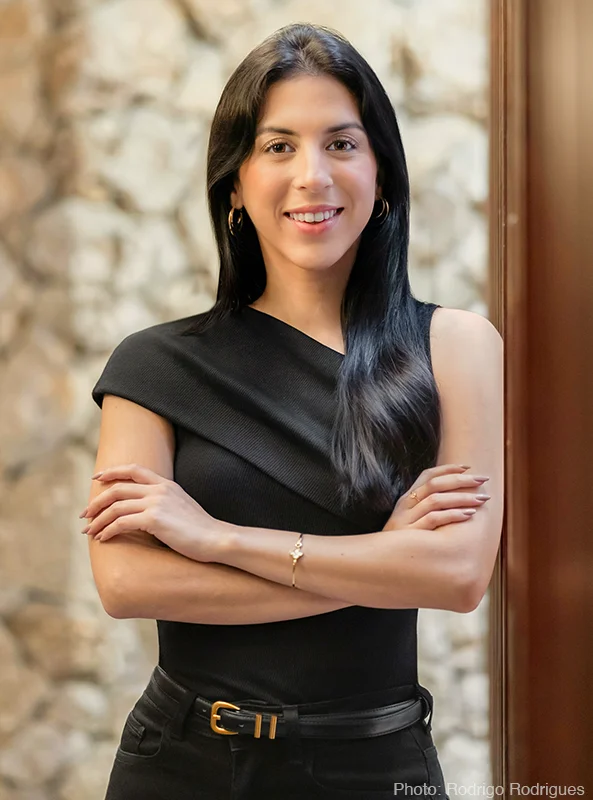
But AI doesn’t always get things right. Hands and fingers can look strange, clothing patterns and textures are difficult to replicate, and an arm may not connect convincingly to the rest of the body. That’s why human expertise still matters. Knowing when AI is appropriate, and knowing how to correct its mistakes, are important parts of professional retouching.
Choose Your Photos Carefully
The best solution is still the simplest one: start with a good pose. A little attention before the shutter clicks can save a lot of work afterward.
If you’re choosing a headshot or portrait from a photo shoot, don’t automatically pick the image with the biggest smile or the most flattering expression. Look at the entire photograph. Is the body position natural? Do the arms and hands complement the pose? Is anything pulling attention away from the face?
When you have several similar photos to choose from, paying attention to these small details can help you find the strongest image.
