If you had to guess the most requested portrait retouch, you’d probably say skin. But that’s not the case.
Over the past few years, the most common portrait request has been for hair retouching. Right behind it is retouching clothes.
People notice messy hair, stray flyaways, thinning areas, root colour, wig and weave hairlines, wrinkled clothing, and crooked collars almost immediately. Those details draw attention because they look out of place.
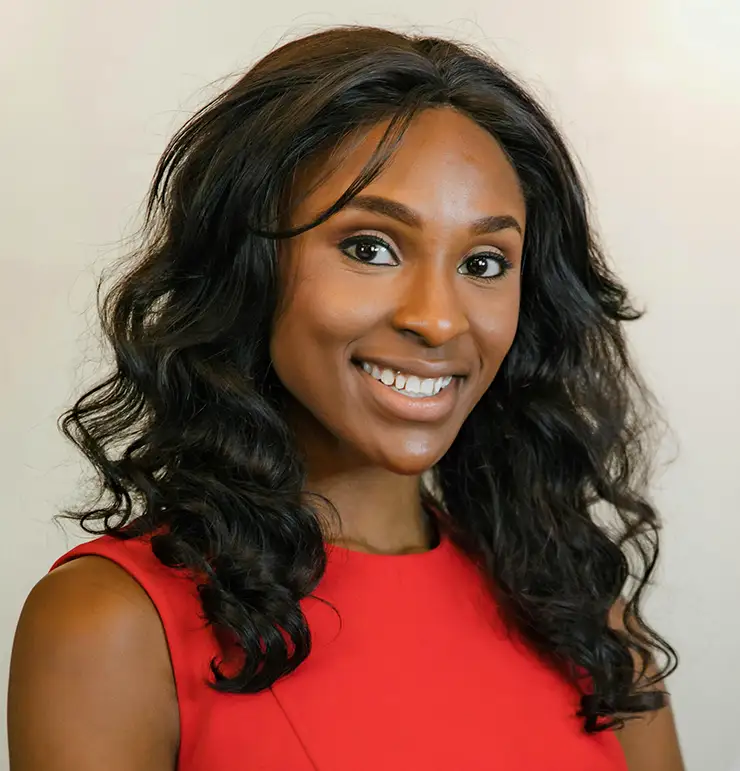
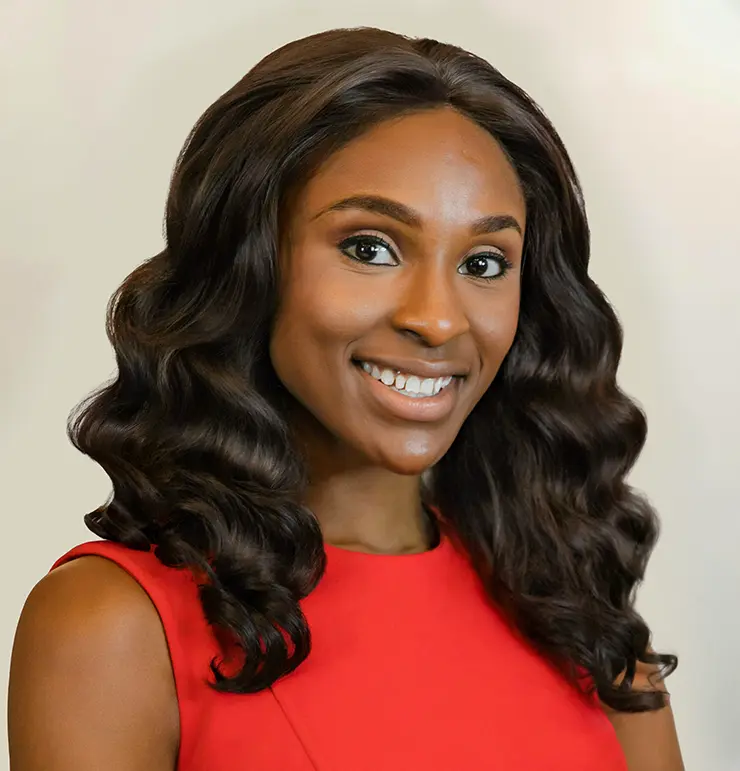
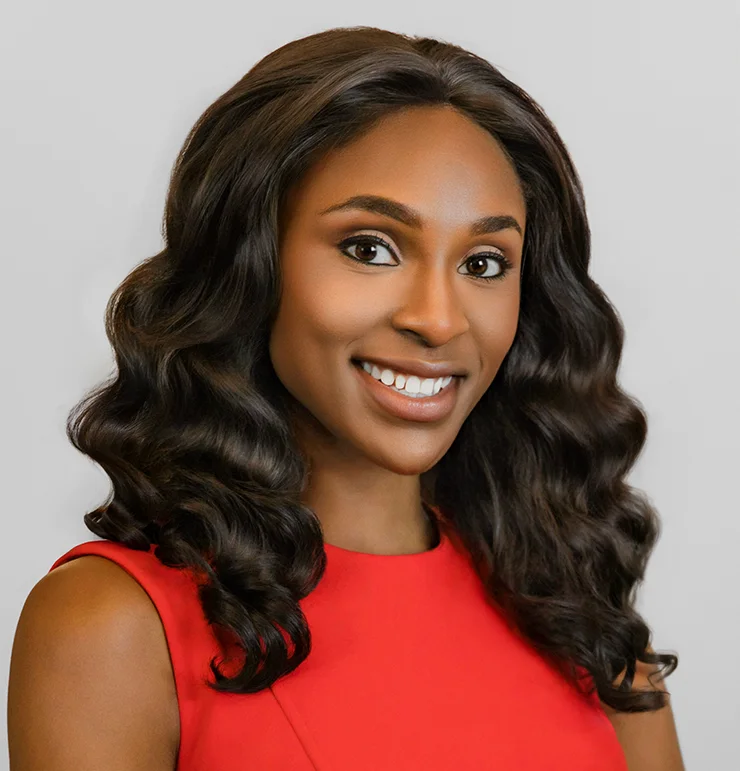
By comparison, most people barely notice when a photo is slightly off in exposure, colour, contrast, or sharpness. Our eyes are surprisingly forgiving of those technical imperfections.
The same is true for skin. If someone’s skin is a little shiny, uneven in tone, or has a temporary blemish, most people accept it as normal. They don’t realize those issues can be improved without changing how they look.
When we look at a face, our attention goes first to expression, especially the eyes and mouth. Skin colour, tone, and texture register more subconsciously. They influence our overall impression of the person without demanding our attention in the same way that untidy hair or clothing does.
Retouching Doesn’t Change You
Good retouching doesn’t change who you are. It corrects distractions that don’t represent your everyday appearance, such as temporary blemishes, flyaway hair, a crooked tie, or issues created by the lighting or camera angle.
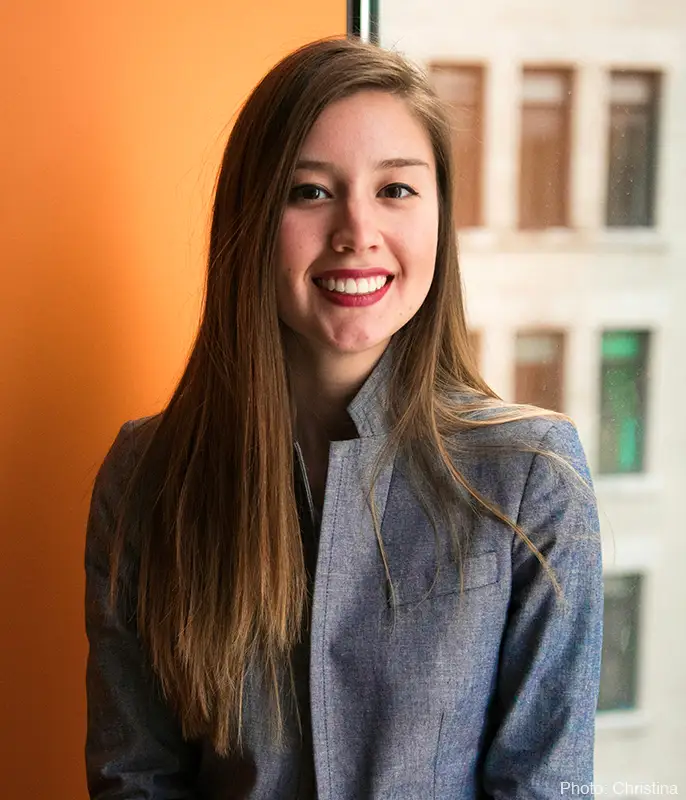
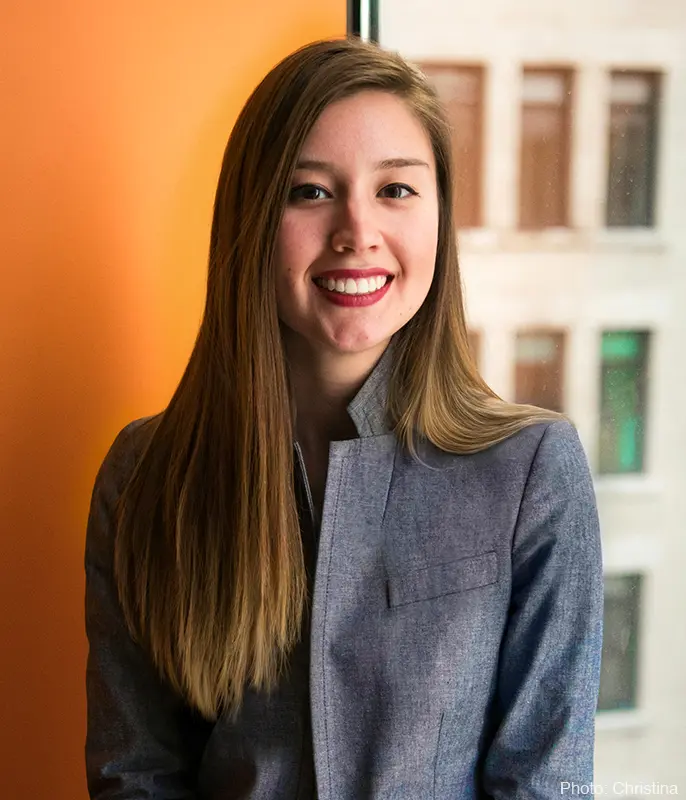
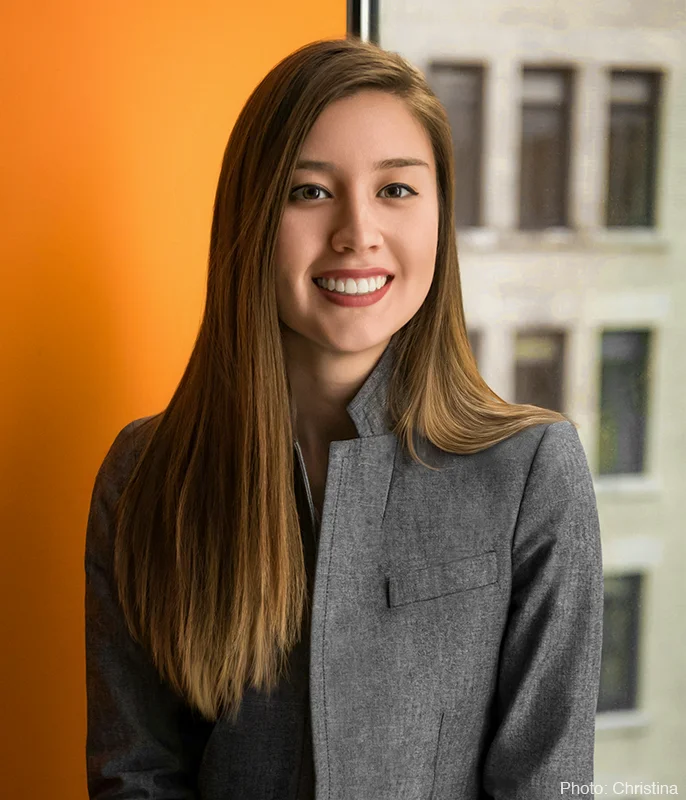
Retouching simply helps a particular portrait show you at your best.
The goal of retouching isn’t to create a different person. It’s to remove distractions so the focus stays where it belongs, on you.
And if you’re wondering what the other most-requested portrait retouches are: removing someone from a group photo, and retouching facial skin.
