Professional hair retouching can make subtle or dramatic changes to the hair in a portrait. But the results depend on the quality of the hair in the original image. Factors such as image resolution, lighting, hairstyle, and the amount of visible hair all affect what can be achieved. The more hair detail there is to work with, the more natural and convincing the final retouch will look.
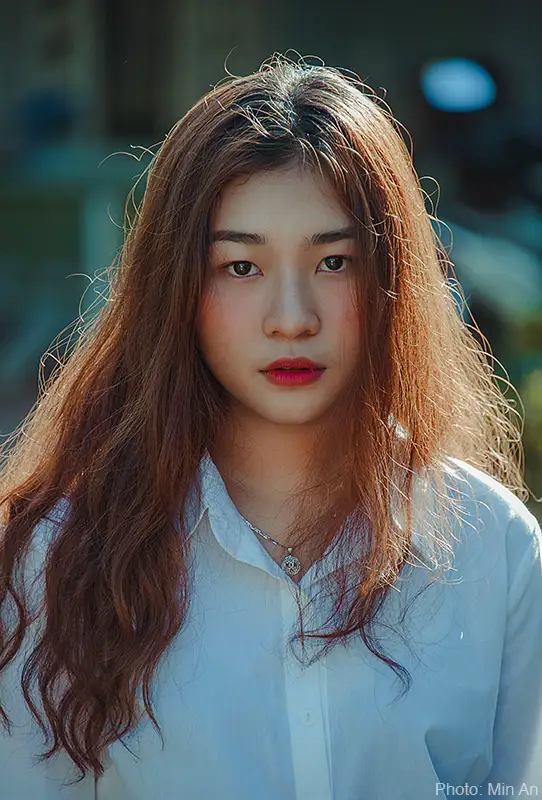
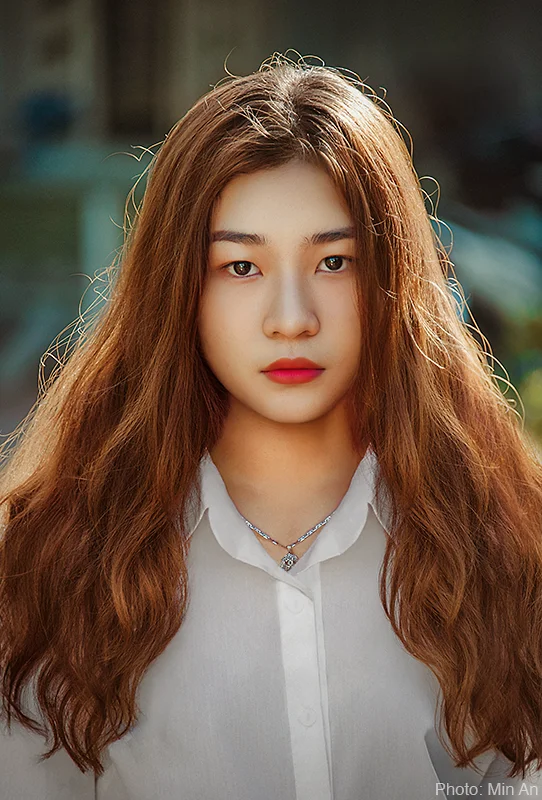
Realistic Hair
The most realistic method of hair retouching is to copy a section of “good” hair from another part of the person’s head and blend it into the problem area. This technique uses real hair from the photo, so it preserves the person’s hair colour, texture, highlights, and hair flow. This type of retouch should be virtually impossible to detect.
This retouch technique is used to fill gaps, reduce the appearance of thinning hair, cover messy areas, or improve the shape of a hairstyle. Large changes are sometimes possible, but they require enough suitable hair elsewhere in the image to serve as source material. Every photograph is different, so the possibilities vary from one image to the next.
AI-Generated Hair
Artificial intelligence has introduced new tools for hair editing, and AI-generated hair can work reasonably well for small images. However, AI hair still falls short for professional photo retouching on high-resolution images.
Human hair is incredibly complex, with subtle variations in colour, texture, shine, thickness, transparency, and the natural way hair overlaps and flows. These fine details are difficult for AI to reproduce convincingly, especially when a photo will be viewed up close or printed at a large size.
Adding Imperfections
Professional retouchers can enhance realism by drawing individual hairs where needed. This process is time-consuming, so it’s usually limited to adding a few flyaway hairs around the edges of the head, hairline, or face. These subtle strands help blend retouched areas into the original hair and create a more natural finish. Adding a few flyways often makes the overall retouch look more realistic than leaving the hair looking overly neat or perfectly uniform.
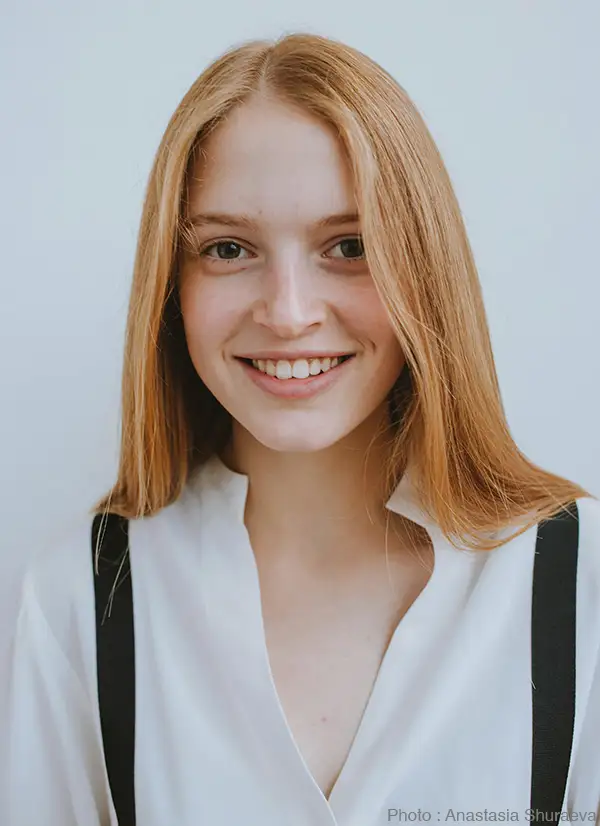
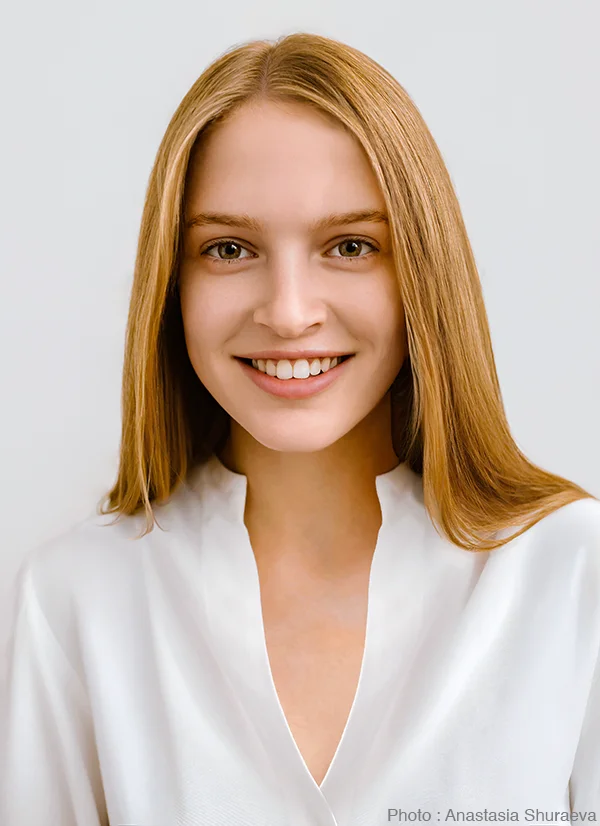
The goal isn’t to create perfect hair, but to enhance the original hairstyle while preserving a realistic, believable appearance.
