For Customers

Catchlights: Why Tiny Reflections Matter in Portraits

Why do some portraits instantly feel alive while others seem flat or lifeless?

Often it comes down to a tiny reflection occupying less than 1% of the image. That small speck of light can have a surprisingly powerful effect on how we perceive a person.

Catchlights are where optics, human perception, and portrait aesthetics intersect. They add depth and dimension to the eyes, drawing attention to the facial feature most responsible for conveying emotion and connection.
Continue reading →

What Retouching Can’t Fix in a Business Portrait

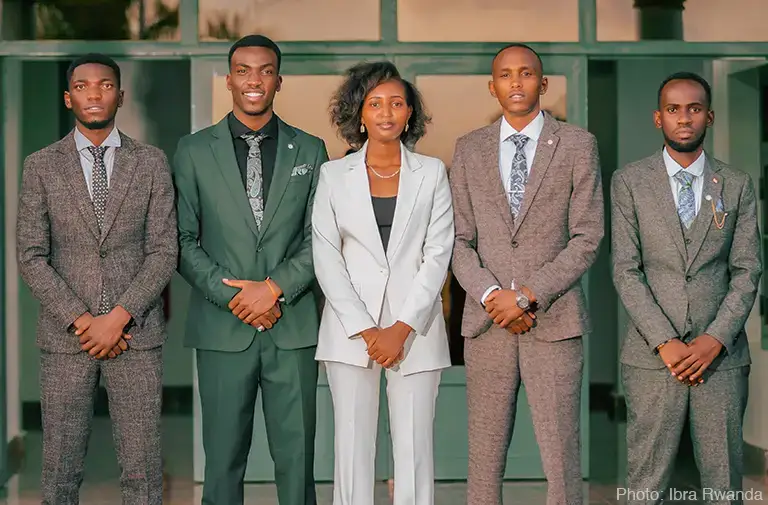
These portraits show people with “steepled” hands. Steepling may be appropriate when giving a speech, but it’s rarely effective in a photo. This is not a natural hand pose, so it’s distracting in a photo. There’s no retouching fix for this. The only option is to crop the photo.

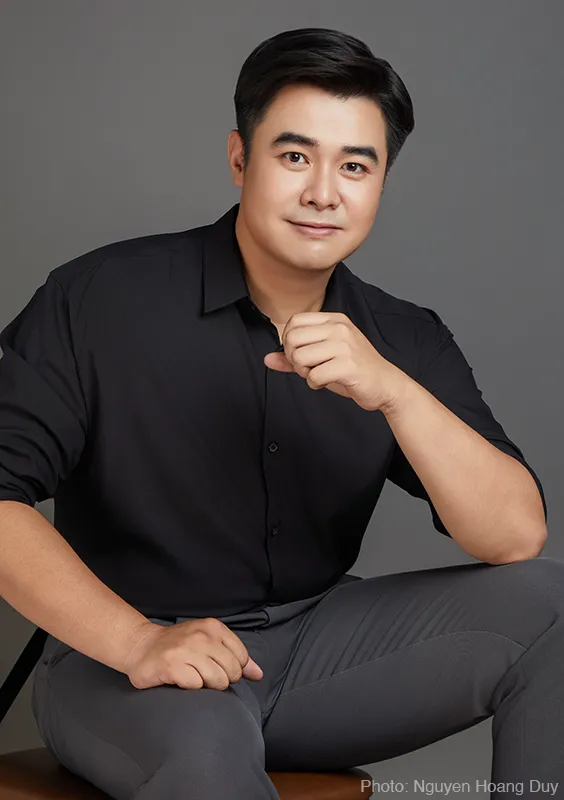
The hand-on-chin pose might suggest thoughtfulness. But it can also suggest uncertainty or insecurity. It never conveys confidence or strength. Neither retouching nor cropping can fix this pose.

Continue reading →

Canadian Business Headshot Retouching

At first glance, creating a strong business portrait seems simple. Have the subject make a pleasant expression, use proper camera settings, and the job should be done. But in reality, professional headshots can go wrong in many ways.

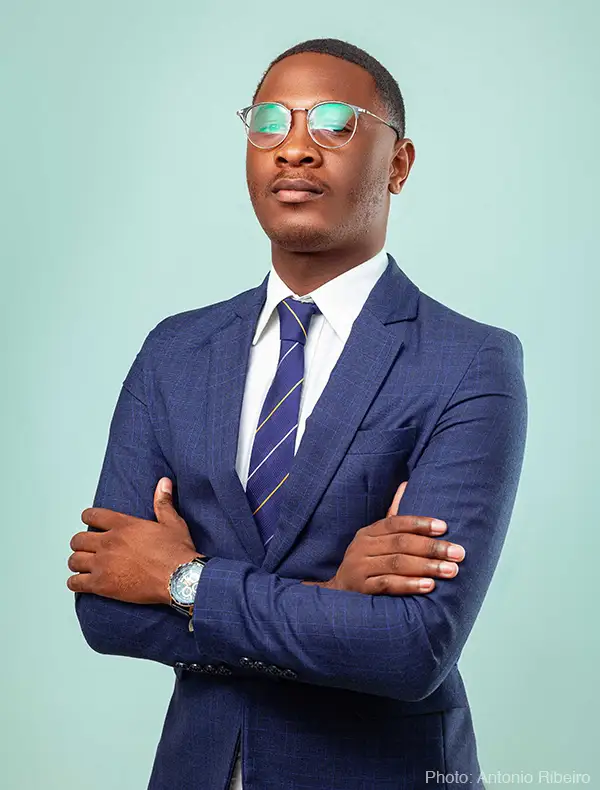
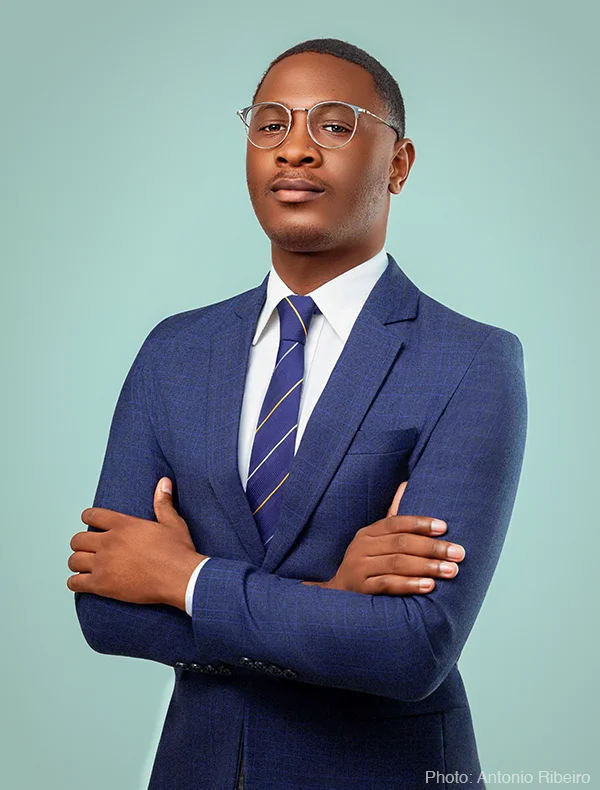
The original photo is pretty much unusable because of the dark eyes, reflections in the lenses, and the distracting shadow line across the jaw. Also, the neck has a clump of odd wrinkles, the tie is loose and overexposed, and there’s a bright hotspot on the forehead. After retouching, the portrait can be used without hesitation.

Some problems are minor and easy to fix with retouching. Issues like poor exposure, incorrect colour balance, lint on clothing, or stray hairs rarely ruin a portrait. An experienced retoucher can correct these details quickly and seamlessly.
Continue reading →

Retouching Receding Hairlines

One possible version of a recreated hairline.

Hairline retouching is an occasional request in portrait photography. Some people ask to fill in thinning areas or extend a receding hairline.

Retouching can fill sparse areas, soften thinning spots, and even extend the hairline. But this type of editing requires more than technical skill. It also involves artistic interpretation. The retoucher has no reference for what the subject’s hair looked like years earlier. So the process becomes a creative endeavour rather than a corrective one.
Continue reading →

Retouching Business Portrait Lighting

Retouching can’t reinvent the lighting of a portrait. At least not yet. But small changes can make a noticeable difference to the photo.

The original portrait (above) is much too dark and flat. Large shadow areas dominate the image, causing the jacket, chair, and background to blend together into one heavy black mass. As a result, the subject lacks separation from the background, and the portrait loses depth and detail.
Continue reading →

Retouching For Wigs, Hair Weaves, Hairpieces

Retouching can often reduce or hide the visible edges of a wig, hair weave, or other hairpiece. Skilled retouchers can blend harsh lines, soften lace fronts, fill sparse areas, and create a more natural-looking hairline. However, the quality of the result depends heavily on the original photo, lighting, image resolution, and how the hairpiece was applied.
Continue reading →

Business Portrait Retouching

A business portrait is not about looking flashy or letting the photographer make an artistic statement. Its purpose is much more practical: to help potential customers, employers, or colleagues see you as trustworthy, competent, approachable, and professional. A strong portrait presents you at your best and reinforces confidence in who you are.
Continue reading →

css.php